Positioning
Date Published
Last Updated
The same-sandbox tax: how competing head-to-head quietly bleeds growth
Same-sandbox competition taxes CAC, memorability, pricing, and velocity. Learn how to escape the trap.
Your competitor bids on "enterprise analytics platform." You bid on "enterprise analytics platform." They raise their bid. You raise yours.
Meanwhile, your sales team fields the same question in every demo: "How are you different from [competitor]?" Your reps have practiced the answer. The prospect nods politely – then asks the same question about three other vendors on their shortlist.
Neither you nor your competitor gains ground. But you both spend more.
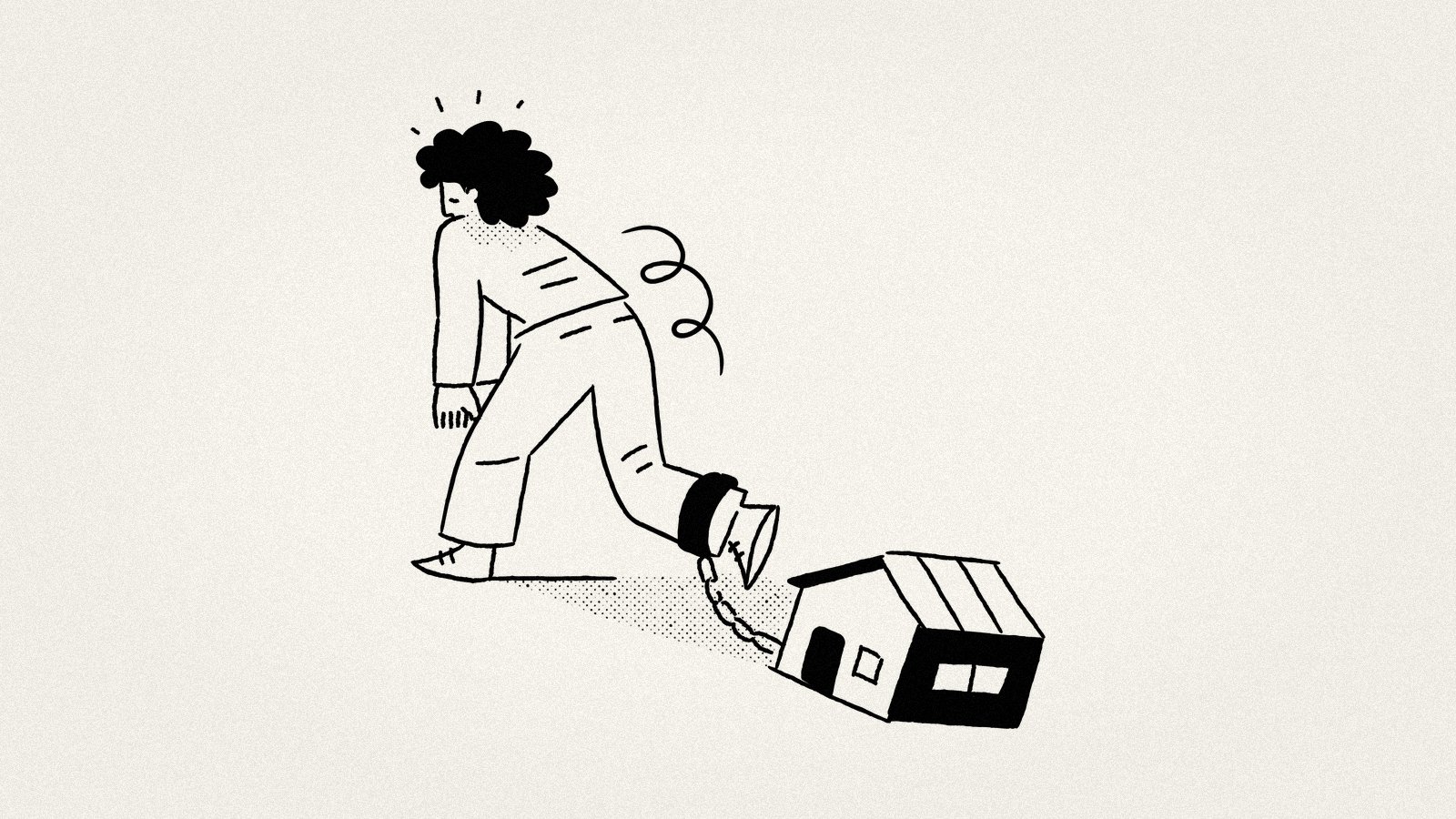
This is the same-sandbox tax – the structural drag that accumulates when companies compete for identical positioning in identical markets. And unlike taxes you can see on a P&L, this one compounds silently across three dimensions until it becomes the defining constraint on your growth.
The four hidden taxes
Most companies experience these costs as isolated operational problems: rising ad spend, forgettable positioning, endless deal cycles, eroding margins. But they're symptoms of a single root cause – and they reinforce each other in ways that make each tax harder to escape.
Tax #1: The CAC tax
When you compete in the same sandbox, you're bidding against rivals for the same keywords, the same audiences, and the same inbox real estate. The platforms – Google, Meta, LinkedIn – capture the margin.
Here's the mechanism: undifferentiated positioning forces you into crowded channels where competitors have already trained the algorithms. Your cost-per-click rises. Your conversion rates fall. Your payback period stretches.
The numbers are stark. Companies in undifferentiated markets pay 40–60% more to acquire customers than those with clear positioning. Not because their product is worse – but because they're fighting for attention in an auction where everyone looks the same.
The real damage isn't just higher spend. It's the opportunity cost of dollars that could have compounded in channels where you'd have faced no competition at all. If this sounds familiar, this breakdown of why head‑to‑head competition is bleeding your CAC dry walks through the auction mechanics and benchmarks in detail.
Tax #2: The memorability tax
You attend a trade show. A prospect visits your booth, glances at your messaging, and asks: "So you're like [competitor], right?"
That question costs you more than it seems.
When multiple vendors occupy identical positioning, buyers can't form distinct memories of any of them. Recall becomes random. And random recall means you re-acquire the same prospects repeatedly – paying full acquisition cost for people who should already know who you are.
The mechanism: human memory is associative. We remember what's distinctive. When your positioning mirrors competitors, you're asking buyers to distinguish between nearly identical mental entries. They can't – so they default to comparison shopping. Price becomes the tiebreaker.
Brand equity research confirms this: consumers attracted to superficial similarities switch easily. For a deeper look at how sameness destroys mental availability, see the memorability trap article on why competing in the same sandbox makes your brand impossible to remember. Loyalty – and the pricing power it creates – stems from understanding a brand's concept, not its feature list.
Tax #3: The velocity tax
Your pipeline looks healthy. Deals enter. Then they stall.
Same-sandbox competition creates buyer paralysis. When prospects evaluate three, four, or five vendors with nearly identical positioning, their buying committees struggle to distinguish between options. The result isn't faster decisions – it's slower ones.
Here's where it compounds: longer cycles don't just delay revenue. They inflate CAC (more touches per conversion), increase exposure to competitive displacement, and make forecasting unreliable. One VP of Sales described it as "trying to predict weather in a hurricane."
The sales velocity trap article maps this out with concrete sales cycle benchmarks and a full HR tech deal example.
Research on B2B decision-making shows the pattern clearly: choice overload combined with accountability pressure creates decision avoidance. Your prospects aren't paralyzed because your product is unclear. They're paralyzed because every product is clear – and identical.
Tax #4: The pricing power tax
Even when you win the deal, you can still lose the margin.
In same-sandbox competition, pricing becomes the default battleground. If buyers perceive two or three vendors as interchangeable, procurement runs a simple play:
Collect near-identical proposals
Play vendors against each other
Drive discounts until one blinks
Your product improves. Your NPS climbs. Your feature velocity accelerates. But your average contract value trends down and your net dollar retention plateaus because every competitive bake‑off turns into an auction.
This is the pricing power tax: the structural margin erosion that happens when indistinguishable vendors train the market to expect discounts. It shows up as:
Rising average discount from list
“What’s your best price?” as a first‑call question
Competitors’ price moves immediately rippling through your pipeline
The result isn’t just thinner margins. It’s a permanent reset of what “full price” means in your category. For a deeper dive into how this works – and how to reverse it – see the pricing power trap article on why competing in the same sandbox destroys your margins.
Why this compounds
These three taxes don't operate in isolation. They form a negative flywheel:
High CAC → forces pressure for faster deals → which you can't achieve because low differentiation → creates buyer paralysis → extending cycles → which inflates CAC further → reducing margin → limiting marketing investment → weakening differentiation → cycle accelerates.
Each tax feeds the others. A company with a memorability problem pays the CAC tax twice – once for initial acquisition, again when prospects forget them. A company with a velocity problem burns through runway waiting for deals that arrive late and discounted.
This is why companies in crowded markets experience declining performance even when execution improves. The structure itself is the constraint.
The diagnostic: do you have a sandbox problem?
Same-sandbox competition often hides behind operational explanations. "Our CAC is high because we're scaling." "Deals take long because enterprise is complex." "We're not memorable because we need better creative."
These explanations feel true. They're also incomplete.
Here's how to test whether you're paying the same-sandbox tax:
Signal #1: Your CPCs are rising faster than your market's growth rate.
What it means: You're in a bidding war, not a market expansion.
Signal #2: Prospects consistently ask "How are you different from X?" – and name the same 2-3 competitors.
What it means: You're occupying identical mental real estate.
Signal #3: Win rates stay flat while sales cycle length increases.
What it means: Buyers can't decide – because they can't distinguish.
Signal #4: Discounting is rising even as product improves.
What it means: You're being commoditized. Price becomes the differentiator because nothing else is.
Signal #5: Pipeline stages bunch at "negotiation" or "legal review" rather than flowing through.
What it means: Deals stall not from friction but from buyer indecision.
If three or more of these describe your business, you're likely paying a structural penalty that operational improvements won't fix.
The escape framework
Escaping the same-sandbox tax requires strategic repositioning, not tactical optimization.
Narrow your ICP. The counterintuitive truth: focusing on fewer prospects reduces CAC and increases velocity. Niche positioning shows 87.5% campaign accuracy versus 79.3% for broad targeting. Fewer leads, better conversion, faster cycles. The CAC deep dive shows how niche positioning cuts acquisition cost by up to 23% in practice.
Compete on value, not features. Feature-by-feature comparisons accelerate commoditization. Value-based positioning – tying your product to outcomes buyers care about – creates differentiation that survives scrutiny. Research shows 65% of pricing power comes from differentiation ability, not cost structure.
Exit the auction. The most effective positioning often means refusing to compete. Identify channels, keywords, and audiences your competitors don't target – not because they're less valuable, but because they're less contested.
Name your sandbox. Create a category or subcategory you can own. This isn't empty marketing – it's strategic positioning that gives buyers a distinct mental slot. Different sandbox. No direct competitors.
When staying in the sandbox makes sense
Same-sandbox competition isn't always wrong. But the exceptions are narrower than most companies assume:
Clear cost leadership: You have structural advantages (scale, technology, geography) that make you the low-cost producer. Not "we think we're efficient" – documented, sustainable cost advantage.
Network effects dominate: Winner-take-all dynamics where market share itself is the product. Rare outside platforms.
Category is nascent: The sandbox is new enough that establishing presence matters more than differentiation. This window closes faster than companies expect.
For most B2B companies, none of these exceptions apply. They stay in the sandbox not because it's strategically optimal, but because they haven't identified their different sandbox yet.
The bottom line
Same-sandbox competition creates compounding drag across acquisition cost, brand memorability, and sales velocity. If you want to unpack each tax separately, start with CAC, then read memorability, and finish with sales velocity. These taxes reinforce each other—and they're invisible on a standard dashboard.
The strategic question isn't "How do we compete better in this sandbox?" It's "Should we be in this sandbox at all?"
Your homework: Pull your top 20 paid keywords. Count how many competitors bid on each. Then ask your sales team: "What question do prospects ask most often in the first five minutes?" If the answer is "How are you different from [competitor]?" – and the competitor is the same across deals – you're paying the tax.
The companies that escape aren't the ones that execute harder. They're the ones that choose a different arena.
This article synthesizes three deep-dive analyses. For the complete research:
The CAC Tax: Why Head-to-Head Competition Is Bleeding Your CAC Dry
The Memorability Tax: Why Same-Sandbox Competition Makes Your Brand Impossible to Remember
The Velocity Tax: Why Same-Sandbox Competition Drags Out Your Deals
The pricing power trap: why competing in the same sandbox destroys your margins
Frequently Asked Questions
What is the same-sandbox tax?
The compounding cost of competing head-to-head with similar positioning, identical ICPs, and overlapping channels—manifesting as higher CAC, lower brand recall, and slower deal cycles.
How do I know if I'm paying the same-sandbox tax?
Five signals: (1) CPCs rising faster than market growth, (2) prospects ask "how are you different from X?" with the same X, (3) win rates flat while cycles lengthen, (4) discounting increases, (5) pipeline bunches at late stages.
What's the negative flywheel?
High CAC creates pressure for faster deals → but low differentiation causes buyer paralysis → extending cycles → inflating CAC further → reducing margin → limiting repositioning → cycle accelerates.
When should I stay in the same sandbox?
Only when you have: (1) documented cost leadership, (2) network effects where market share is the product, or (3) a nascent category. For most B2B companies, none apply.
What's the difference between the CAC, memorability, velocity, and pricing power taxes?
CAC tax = higher acquisition costs. Memorability tax = buyers forget you exist. Velocity tax = deals take 84-170 days. They reinforce each other in a negative flywheel. Pricing power tax = you "win" deals by giving up 10–30% of your list price because buyers see you as interchangeable.


